Samay Raina is known for his unpredictable humour, whether he is performing stand-up comedy, streaming chess, or hosting India’s Got Latent. But one thing that makes him particularly interesting is how he turns brand promotions into comedy, sometimes leaving the companies that hired him in an awkward position.
Imagine paying a comedian to promote your brand, only to see him roast your company or mention your biggest competitor. Sounds like a marketing disaster? Surprisingly, these moments often become viral hits.
From Zomato and Unacademy to Spinny and Flipkart Minutes, several incidents involving Samay have sparked debate about whether his approach is clever marketing or simply taking things too far.
1. Zomato vs Swiggy
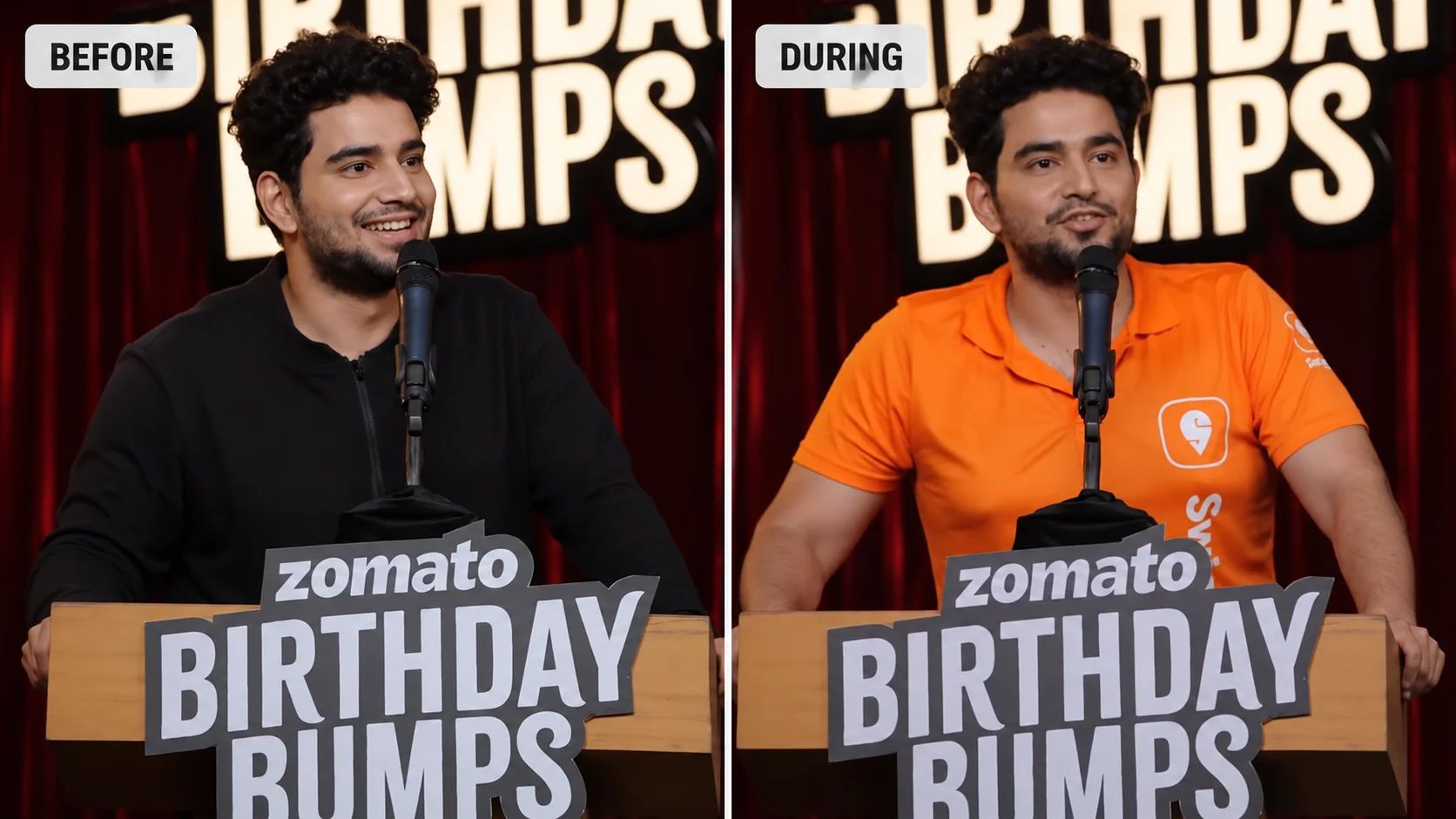
During Zomato’s 16th anniversary event, Samay reportedly joked about the company’s push notifications and customer service before revealing a Swiggy T-shirt underneath his jacket.
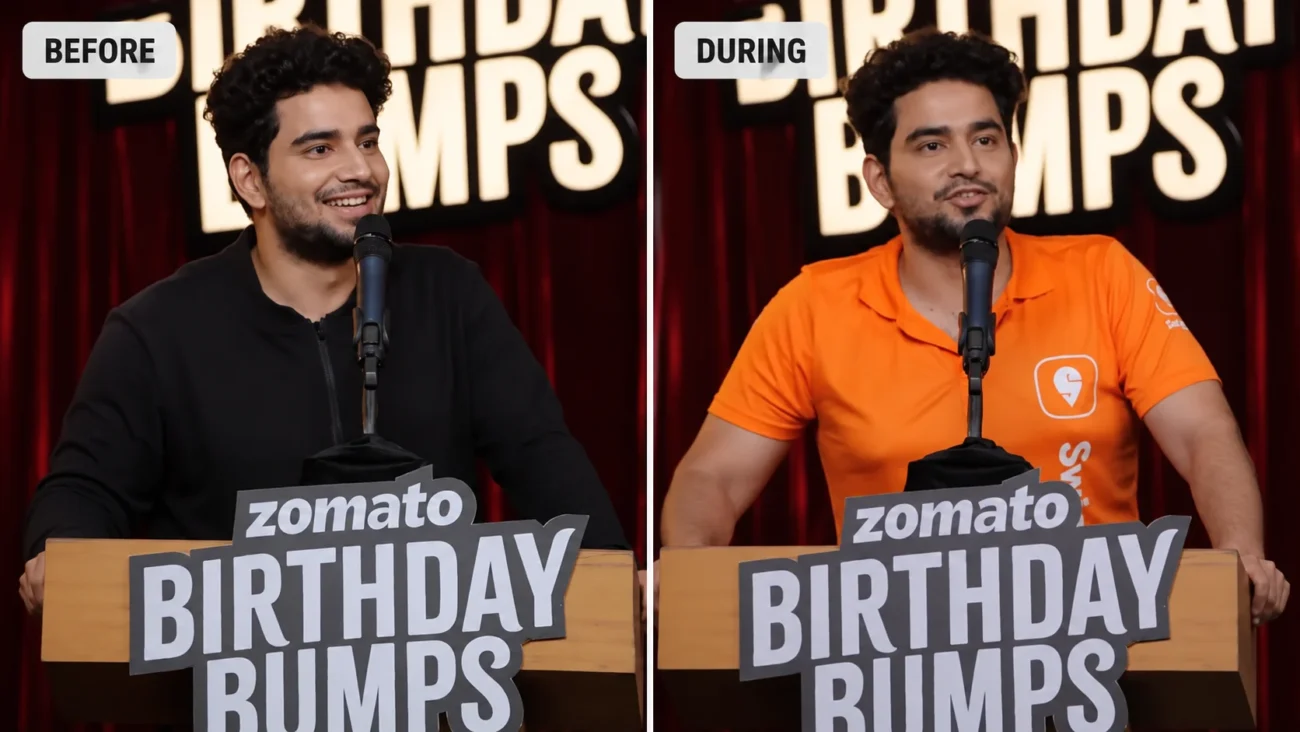
The moment attracted considerable attention online. While the audience enjoyed the joke, it raised an interesting question: did Zomato get the promotion it paid for, or did Swiggy benefit from the unexpected publicity?
For a comedian, it was a memorable punchline. For marketers, it was a reminder that sponsored content can sometimes take an unexpected direction.
2. Unacademy and Physics Wallah
At Unacademy’s ninth-anniversary event, Pratishtha, Samay reportedly appeared with a Physics Wallah sticker on his back and made jokes involving founder Alakh Pandey and other coaching brands, including Allen.
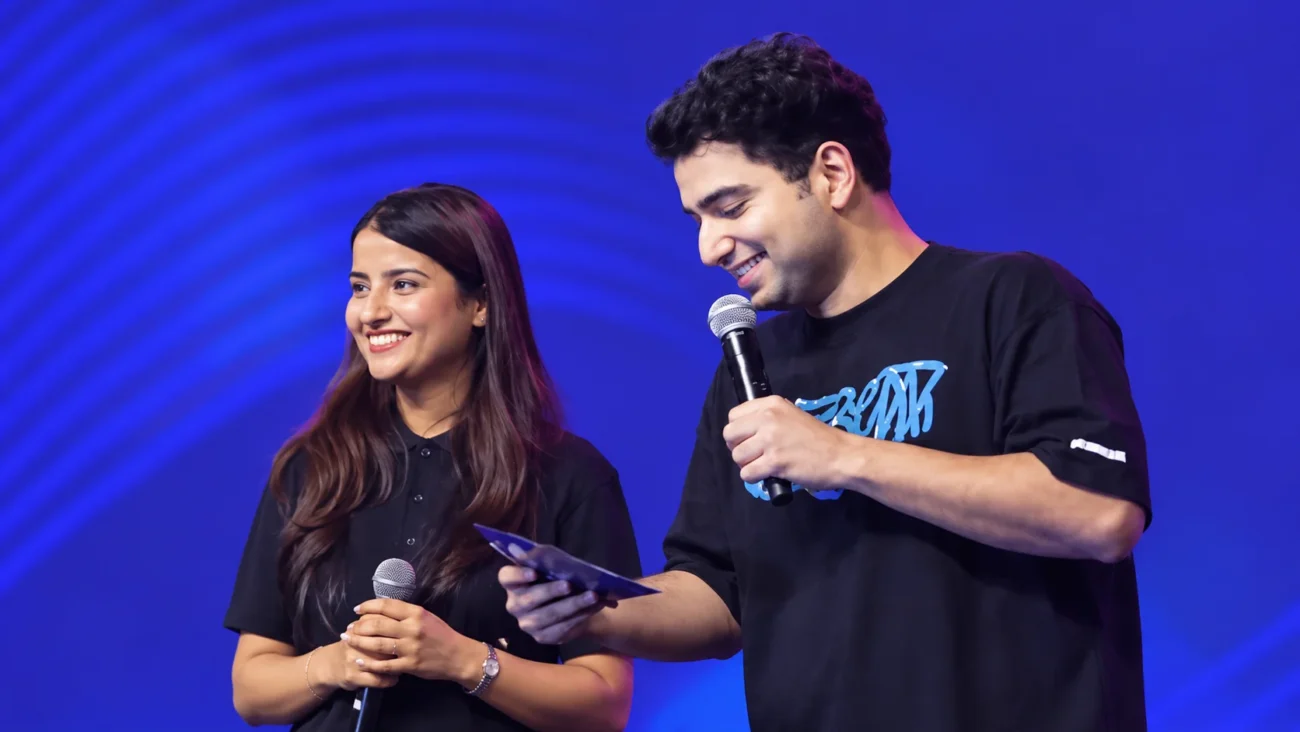
The references were particularly entertaining because these companies compete in India’s highly competitive education industry.
However, whether the jokes were intended as competitor promotion or were simply part of his comedy is difficult to establish without further context.
3. Spinny’s Sponsored Segment
On India’s Got Latent, Samay also poked fun at used-car platform Spinny during a sponsored segment. The jokes included confusing the brand with Swiggy and describing a prize as a “brand new second-hand car.”
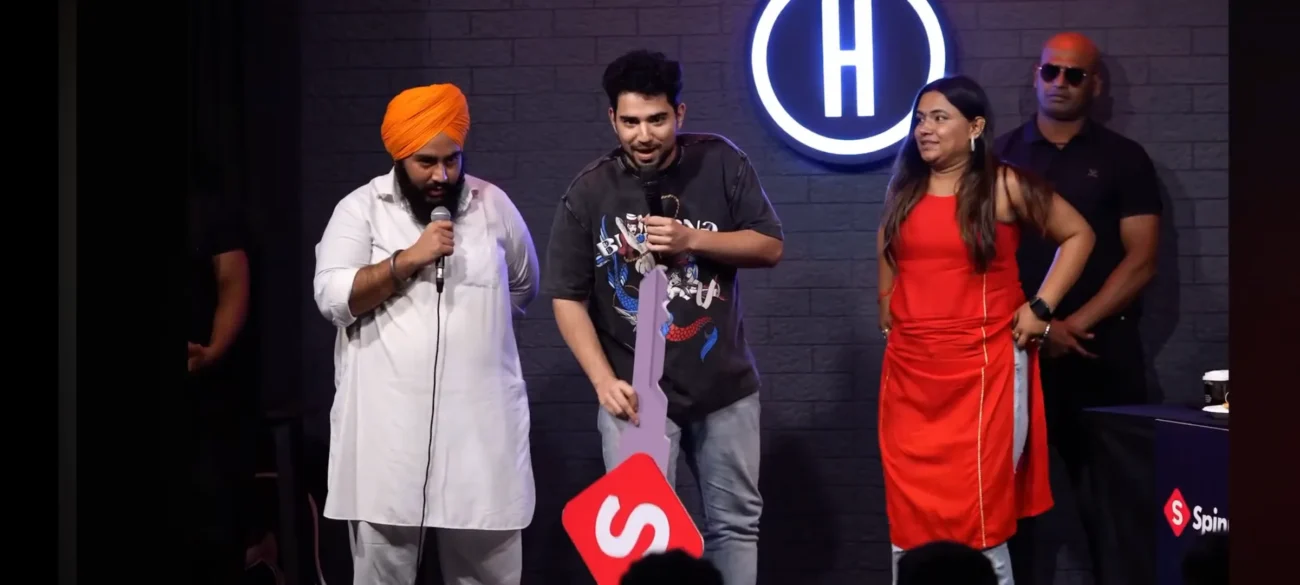
Such humour can make a brand memorable, but it also creates a risk: viewers might remember the joke more clearly than the product being advertised.
For some companies, that attention is worthwhile. For others, it may undermine the campaign’s original purpose.
4. Flipkart Minutes and Amazon Minutes
Another talking point emerged during India’s Got Latent Season 2, when panelist Raghu Ram reportedly referred to “Amazon Minutes” during a segment associated with Flipkart Minutes.
The mistake became part of the entertainment rather than remaining an ordinary on-air slip.
It highlighted a common challenge in comedy-based advertising: even an accidental mention of a competitor can become more memorable than the intended promotional message.
However, a mistaken reference alone does not prove that anyone deliberately promoted a rival.
5. Avvatar Protein and Other Brands
Avvatar Protein was also associated with sponsored content on the show, while references to competing protein brands, including MuscleBlaze, The Whole Truth and SuperYou, became part of the discussion.
Such moments raise an important marketing question: when multiple brands are mentioned in a single segment, which one do viewers actually remember?
Without reliable campaign data, it is difficult to determine which company benefited most. Nevertheless, these incidents show why brands should carefully consider a creator’s comedy style before sponsoring their content.
Why Does Samay Raina Do This?
Samay’s comedy often depends on breaking expectations. Instead of delivering a perfectly polished advertisement, he makes the promotional segment itself part of the joke.
That approach works particularly well on social media. People share surprising moments, create memes and discuss awkward situations far more readily than ordinary advertisements.
As a result, even a brand that becomes the target of a joke can receive substantial exposure.
However, attention does not automatically translate into sales. A viral clip may generate millions of views without convincing people to purchase anything.
The real question is whether the publicity benefits the sponsor or simply entertains the audience.
Clever Marketing or Bad Brand Management?
The answer depends on the company’s expectations.
Brands seeking complete control over their promotional message may find this approach risky. Competitor references, negative jokes and unexpected moments can distract viewers from the product.
On the other hand, companies that collaborate with comedians should understand that humour rarely follows the rules of traditional advertising.
A memorable joke can sometimes generate more discussion than a conventional advertisement. The challenge is finding the right balance between creative freedom and the sponsor’s objectives.
So, What Is Actually Wrong With Samay Raina?
Perhaps nothing is inherently wrong with his approach. His unpredictability is part of what makes his comedy entertaining.
The bigger question is whether brands fully understand the risks before paying him to promote their products.
A company hiring a conventional brand ambassador expects a controlled message. Hiring a comedian means accepting a different style of communication, where the advertisement itself may become the punchline.
That does not mean every joke is justified or every campaign is successful. Sponsors still have legitimate expectations, and results should ultimately determine whether the collaboration was worthwhile.
In the end, Samay gets another viral moment, the audience gets another meme, and the brand gets plenty of attention.
Perhaps the real lesson is simple: when you hire a comedian known for breaking advertising conventions, don’t be surprised when your brand becomes part of the joke.